
Definition and Overview: Ledger Hardware Wallet
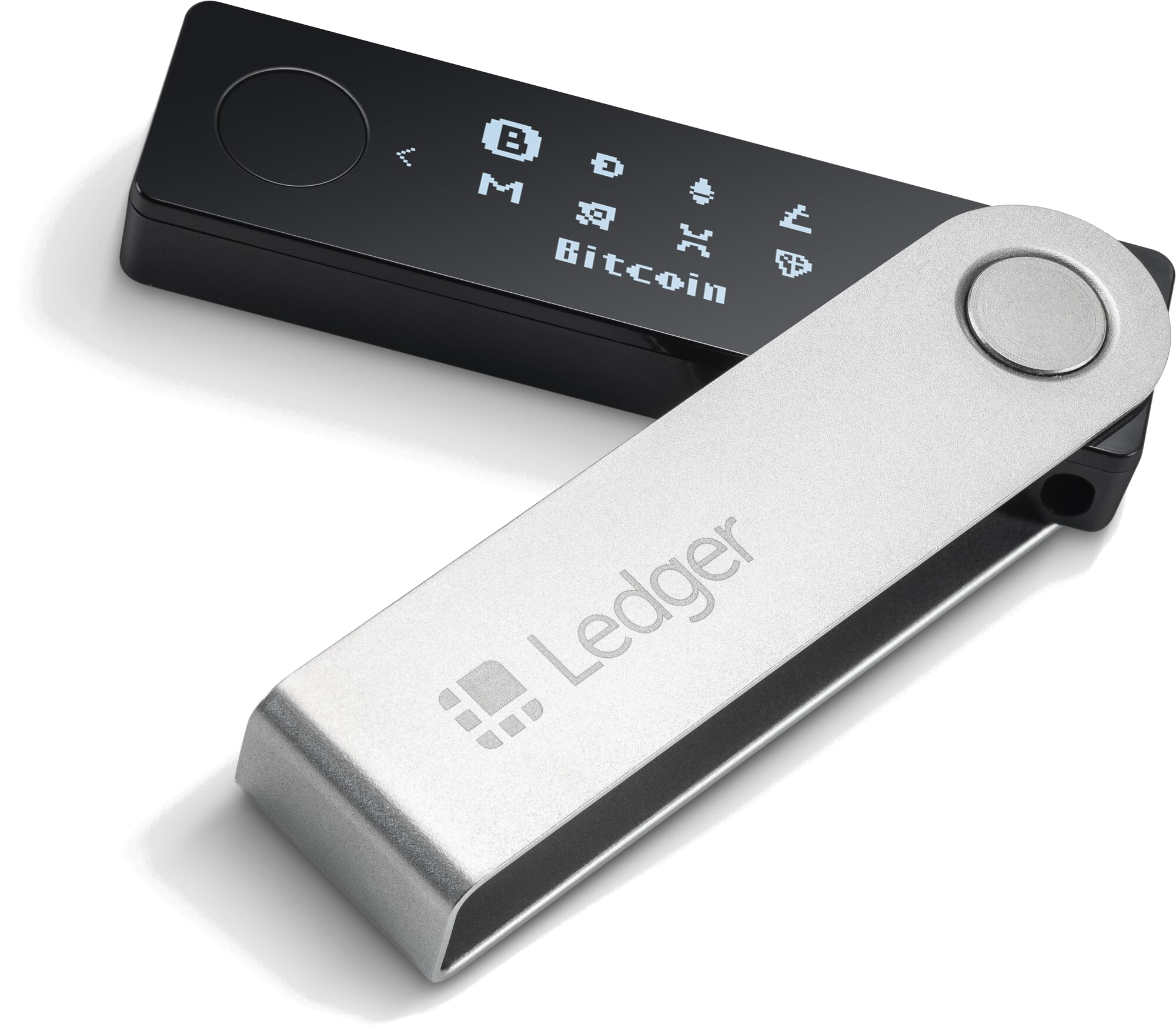
A ledger hardware wallet is a physical device designed to securely store and manage your private keys, the cryptographic keys used to access your cryptocurrencies. Unlike software wallets, which store your private keys on your computer or mobile device, hardware wallets keep them offline, making them less vulnerable to hacking and theft.
Ledger hardware wallets offer several key features that enhance the security of your cryptocurrency assets. These include:
- Offline storage: Your private keys are stored on a secure chip within the hardware wallet, isolated from the internet and other potential attack vectors.
- PIN protection: You must enter a PIN code to access your wallet, adding an extra layer of security.
- Two-factor authentication: Some hardware wallets support two-factor authentication, requiring you to use a separate device, such as your smartphone, to confirm transactions.
- Recovery seed: In case you lose your hardware wallet, you can recover your funds using a recovery seed, a set of words that you generate when you first set up your wallet.
Types and Models
Ledger offers a range of hardware wallets, each with unique characteristics and capabilities. The two main types of Ledger wallets are:
- Standard wallets: Designed for basic cryptocurrency storage and management.
- Advanced wallets: Offer enhanced features such as Bluetooth connectivity and larger storage capacities.
Within each type, there are different models with varying specifications. Here's a table comparing key features of popular Ledger models:
| Model | Type | Display | Connectivity | Storage Capacity | Price Range |
|---|---|---|---|---|---|
| Ledger Nano X | Advanced | OLED | USB-C, Bluetooth | 100+ apps | $119-$149 |
| Ledger Nano S | Standard | LCD | USB-A | 3-5 apps | $59-$79 |
| Ledger Nano S Plus | Standard | Larger LCD | USB-C | 10-15 apps | $79-$99 |
| Ledger Stax | Advanced | E-ink display | Bluetooth | 500+ apps | $279-$299 |
Security Features
Ledger hardware wallets employ advanced security measures to safeguard your cryptocurrency assets. These devices are designed to protect against unauthorized access, theft, and malicious attacks.
Ledger hardware wallets utilize a secure element, a tamper-proof chip that stores your private keys and performs cryptographic operations. The secure element is isolated from the rest of the device, ensuring that your private keys remain secure even if the wallet is compromised.
Learn about more about the process of crypto ira in the field.
Private Key Management
Ledger hardware wallets generate and store your private keys within the secure element. These keys are never exposed to the outside world, ensuring that they cannot be stolen or compromised.
Check what professionals state about buy shiba inu coin and its benefits for the industry.
When you initiate a transaction, the hardware wallet prompts you to confirm the details on the device's display. Only after you physically approve the transaction on the device will the private key be used to sign the transaction.
When investigating detailed guidance, check out buy crypto now.
Anti-Tampering Measures
Ledger hardware wallets incorporate multiple anti-tampering measures to prevent unauthorized access and malicious attacks.
- Secure Bootloader: The hardware wallet's bootloader is protected by a cryptographic signature, preventing unauthorized firmware modifications.
- Self-Destruct Mechanism: If the hardware wallet detects a physical attack or unauthorized access attempt, it will automatically destroy the private keys stored within the secure element.
- PIN Code: A user-defined PIN code is required to access the hardware wallet, providing an additional layer of security.
- Recovery Seed: In case of a lost or stolen hardware wallet, you can recover your funds using a 24-word recovery seed. The recovery seed is generated during the initial setup process and should be stored securely.
Compatibility and Usage
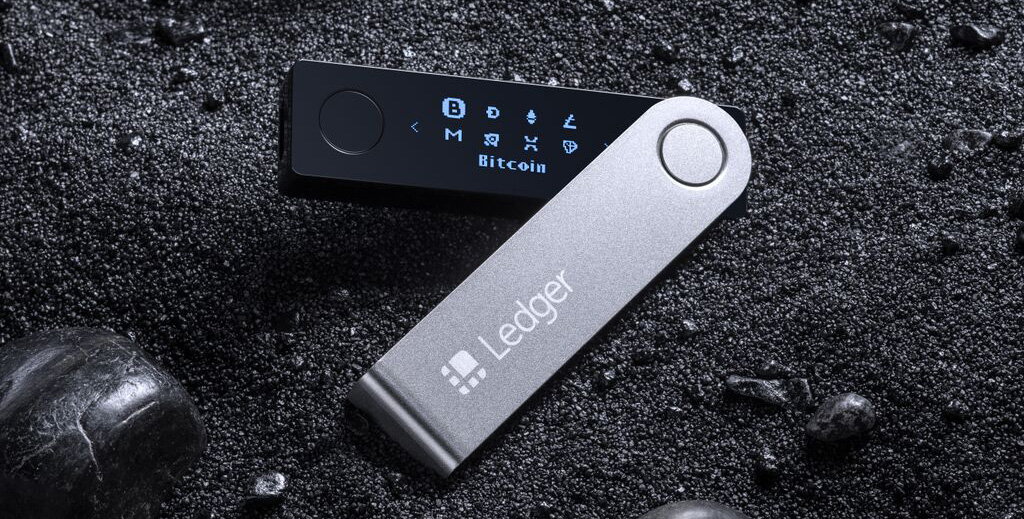 Ledger hardware wallets offer wide compatibility with various operating systems and devices. They support desktop operating systems like Windows, macOS, and Linux, and mobile operating systems like Android and iOS. The wallets can be connected to computers via USB or Bluetooth, and to mobile devices via Bluetooth or NFC. Setting up and using Ledger hardware wallets is straightforward. Users need to download the Ledger Live app on their computer or mobile device, connect the wallet to the app, and follow the on-screen instructions. The app provides a user-friendly interface that guides users through the setup process, including creating a PIN code, recovering a wallet from a seed phrase, and managing cryptocurrencies. Ledger hardware wallets support a wide range of cryptocurrencies and blockchain networks, including Bitcoin, Ethereum, Litecoin, Ripple, and many others. The complete list of supported cryptocurrencies can be found on the Ledger website.
 Benefits and Advantages
Ledger hardware wallets offer several advantages over other storage methods for digital assets.Enhanced Security
Hardware wallets provide robust security features that safeguard digital assets against unauthorized access and theft. They store private keys offline, making them immune to online attacks. Additionally, their secure chip architecture and tamper-proof design prevent physical breaches.Convenience
Ledger hardware wallets are user-friendly and convenient to use. They connect to computers or mobile devices via USB or Bluetooth, allowing users to manage their assets easily. Their intuitive interfaces make it simple for both beginners and experienced users to navigate.Peace of Mind
Hardware wallets provide peace of mind by eliminating the risks associated with online storage and exchanges. By storing private keys offline, they ensure that users have complete control over their digital assets and are not vulnerable to hacks or phishing attacks.Potential Drawbacks and Considerations

While Ledger hardware wallets offer robust security, there are certain drawbacks and considerations to keep in mind before using them.
One potential limitation is their reliance on a physical device, which can be lost or stolen. Additionally, the wallets require a computer or smartphone to operate, introducing potential vulnerabilities if the connected device is compromised.
Security Risks and Vulnerabilities, Ledger hardware wallet
- Physical Theft: If the hardware wallet is lost or stolen, the funds stored on it could be compromised.
- Malware Attacks: Connecting the wallet to a compromised computer or smartphone could allow malware to access the wallet's private keys.
- Firmware Vulnerabilities: Ledger wallets rely on firmware updates to address security vulnerabilities. If the firmware is not kept up to date, the wallet could be exposed to exploits.
Tips for Safe Usage
To mitigate these risks, it is essential to practice good security hygiene when using a Ledger hardware wallet:
- Secure Storage: Store the wallet in a safe location, away from potential theft or damage.
- Regular Updates: Keep the wallet's firmware up to date to patch any known vulnerabilities.
- Use a Dedicated Computer: Use a computer dedicated to managing cryptocurrencies and avoid connecting the wallet to public or shared devices.
- Enable Two-Factor Authentication: Set up two-factor authentication (2FA) for your Ledger account to add an extra layer of security.