
Overview of Crypto Visa Cards
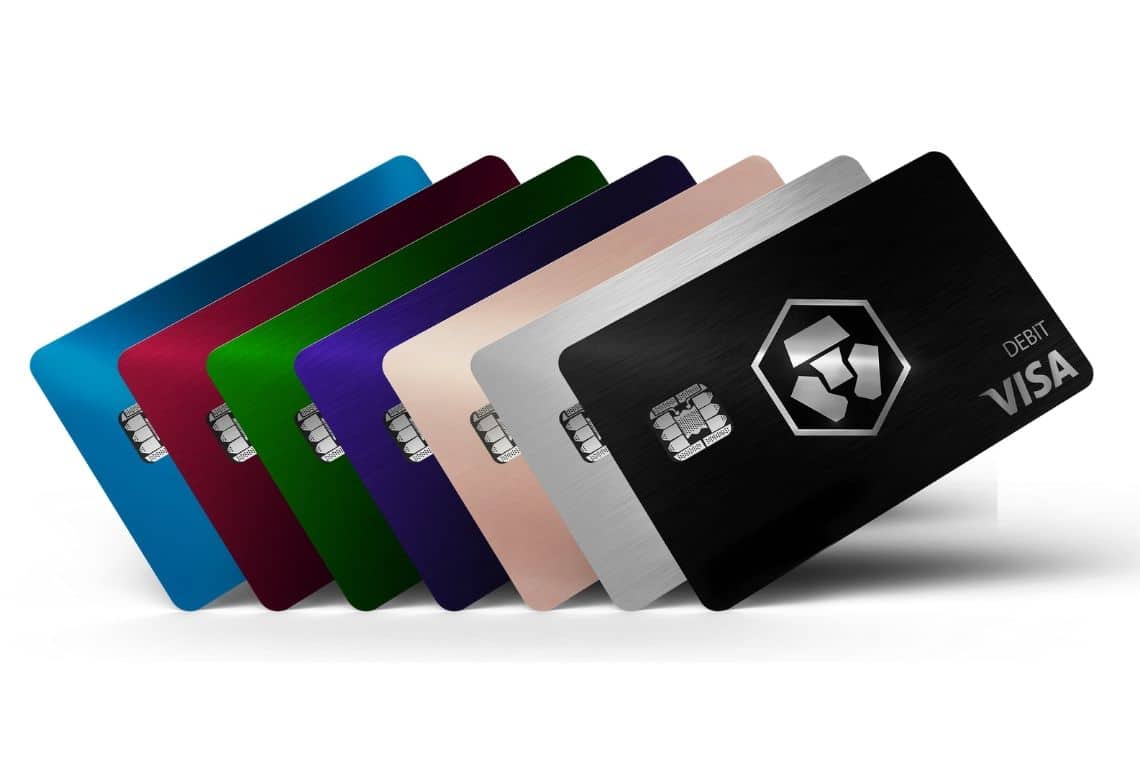
Crypto Visa cards are payment cards that allow users to spend their cryptocurrencies like Bitcoin, Ethereum, and others at merchants that accept Visa. These cards bridge the gap between the world of digital assets and traditional finance, offering convenience and flexibility for crypto holders.
Obtain a comprehensive document about the application of blockchain crypto that is effective.
Benefits of Crypto Visa Cards
- Convenient spending: Crypto Visa cards eliminate the need to convert cryptocurrencies into fiat currency before making purchases, allowing users to spend their crypto directly at millions of merchants worldwide.
- Rewards and benefits: Some crypto Visa cards offer rewards and benefits similar to traditional credit cards, such as cashback, points, and exclusive perks.
- Control over spending: Users can set spending limits and monitor their transactions through mobile apps or online platforms, providing greater control over their finances.
- Global acceptance: Visa is a widely accepted payment network, meaning crypto Visa cards can be used at merchants in over 200 countries and territories.
Limitations of Crypto Visa Cards
- Transaction fees: Some crypto Visa cards charge transaction fees for converting crypto to fiat currency, which can reduce the value of purchases.
- Limited availability: Crypto Visa cards are not yet as widely available as traditional credit cards, and their availability may vary depending on the issuer and location.
- Volatility: The value of cryptocurrencies can fluctuate significantly, which can affect the purchasing power of crypto Visa cards.
- Security concerns: As with any financial instrument, crypto Visa cards are susceptible to fraud and theft, and users should take appropriate security measures.
Features and Functionality
Crypto Visa cards offer a comprehensive suite of features and functionalities, enabling users to seamlessly integrate cryptocurrencies into their everyday spending and financial management.
Discover how hotbit has transformed methods in RELATED FIELD.
These cards bridge the gap between the digital asset world and traditional financial systems, providing users with the convenience and flexibility of using their crypto holdings for everyday purchases, bill payments, and other financial transactions.
Card Types
Crypto Visa cards come in various types, each catering to specific needs and preferences. Some common types include:
- Prepaid cards: These cards are loaded with a specific amount of cryptocurrency and can be used until the balance is depleted.
- Debit cards: These cards are linked to a crypto wallet and allow users to spend directly from their crypto holdings.
- Credit cards: These cards offer a line of credit that can be used for purchases, with repayment made in cryptocurrency.
Security Measures
Crypto Visa cards prioritize security to safeguard users' funds and protect against fraud and unauthorized access. Some of the common security measures implemented include:
- Multi-factor authentication: This requires users to provide multiple forms of identification, such as a password, PIN, and biometric data, to access their account and make transactions.
- Fraud monitoring: Advanced algorithms and machine learning techniques are employed to detect and prevent fraudulent activities in real-time.
- Chip and PIN technology: This provides an additional layer of security by requiring users to enter a PIN code when making purchases.
- Secure storage: Private keys and other sensitive information are stored securely in hardware wallets or other secure storage solutions.
Issuers and Availability
Crypto visa cards are offered by various financial institutions and cryptocurrency exchanges, catering to the growing demand for convenient access to digital assets.
The availability of crypto visa cards varies geographically, with some issuers limiting their services to specific countries or regions. For example, Binance Visa Card is available in over 200 countries and territories, while Crypto.com Visa Card has a more limited geographic reach.
Eligibility and Application Process, Crypto visa card
Eligibility criteria and application processes for crypto visa cards vary among issuers. Typically, applicants must meet certain requirements, such as age, residency, and proof of identity.
The application process usually involves submitting personal and financial information, as well as linking a cryptocurrency wallet or exchange account to the card.
Browse the implementation of crypto com wallet in real-world situations to understand its applications.
Fees and Rewards
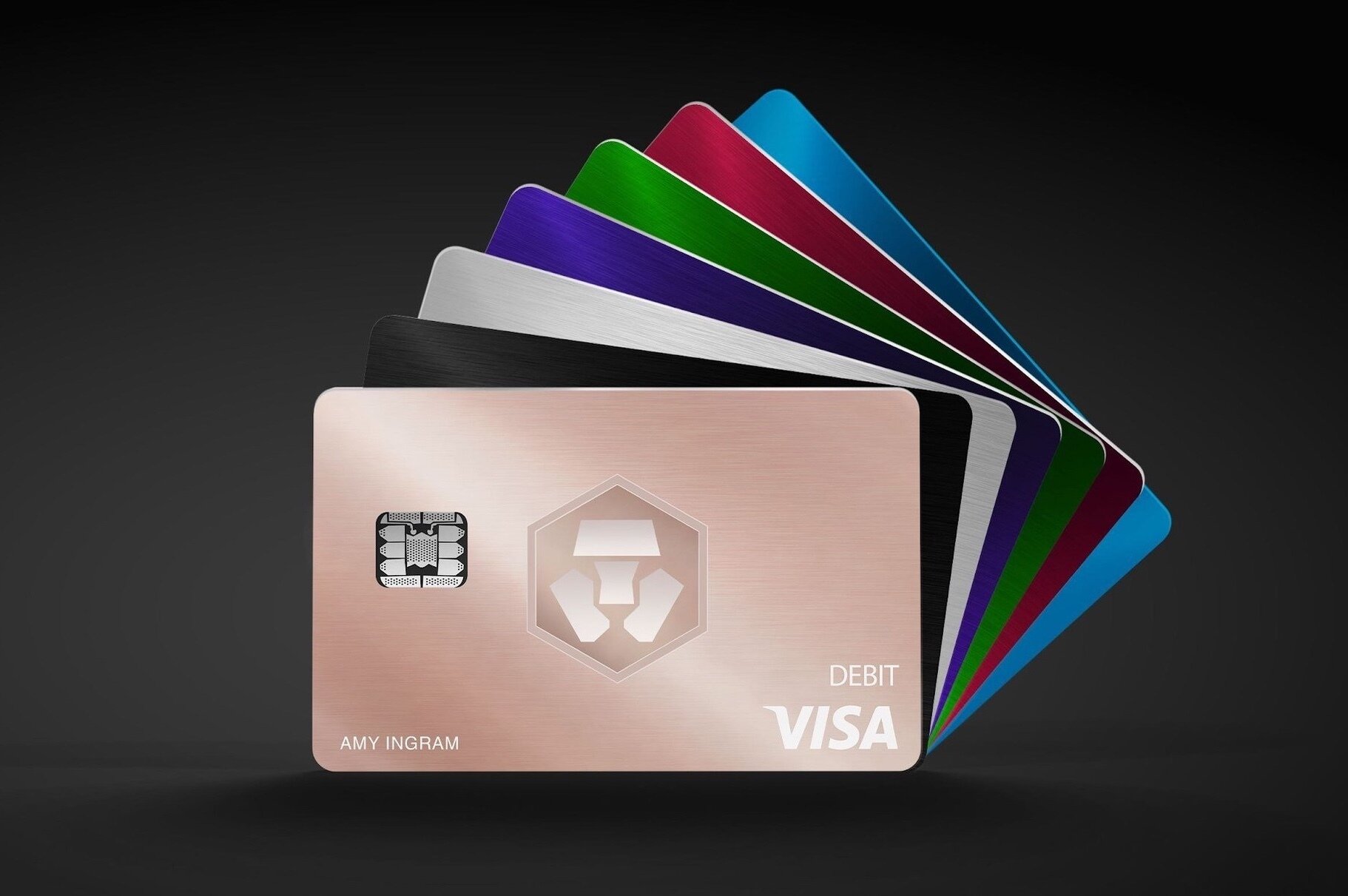
Crypto visa cards, like traditional credit cards, come with various fees and rewards programs. Understanding these fees and rewards is crucial when choosing a crypto visa card.
Fees associated with crypto visa cards can vary depending on the issuer. These may include:
- Annual fee: Some cards charge an annual fee, typically ranging from $0 to $100.
- Transaction fees: Fees may be charged for each transaction made using the card, usually a percentage of the transaction amount.
- Foreign transaction fees: Additional fees may be charged when using the card outside the issuer's home country.
- ATM withdrawal fees: Fees may be charged for withdrawing cash from ATMs, especially when using ATMs outside the issuer's network.
- Inactivity fees: Some cards charge a fee if the card is not used for a certain period.
Crypto visa cards often offer rewards programs to incentivize usage. These rewards may include:
- Cashback: A percentage of each transaction is credited back to the cardholder's account.
- Crypto rewards: Rewards are earned in the form of cryptocurrency, such as Bitcoin or Ethereum.
- Loyalty points: Points are earned for each transaction, which can be redeemed for rewards such as gift cards or travel.
Comparing the fees and rewards of different crypto visa cards is essential to find the best card for individual needs. Factors to consider include the annual fee, transaction fees, rewards programs, and any other applicable fees.
Integration and Compatibility
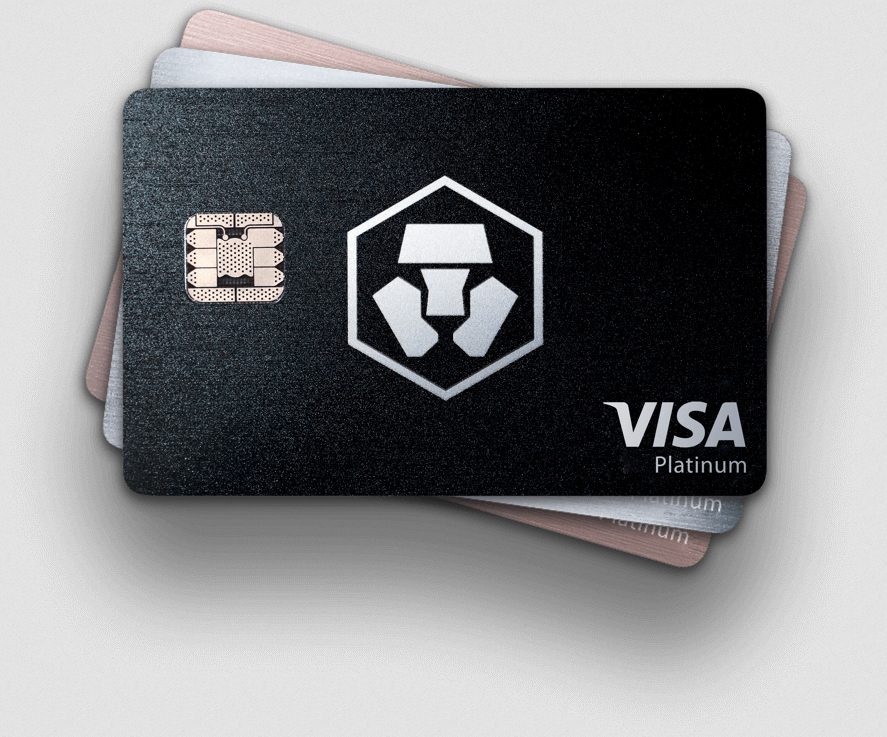
Crypto visa cards seamlessly integrate with various platforms and devices, enhancing their functionality and accessibility.
Integrating crypto visa cards into existing payment systems is straightforward, allowing businesses to accept cryptocurrency payments without significant infrastructure changes. These cards act as a bridge between the traditional financial system and the cryptocurrency world.
Supported Platforms and Devices
- Mobile wallets: Crypto visa cards can be linked to mobile wallets, enabling users to make payments and manage their funds from their smartphones.
- Online marketplaces: Leading online marketplaces like Amazon and eBay accept crypto visa cards, expanding the options for online shopping.
- Physical stores: An increasing number of physical stores, including major retailers like Home Depot and Whole Foods, accept crypto visa cards for in-store purchases.
Examples of Businesses Accepting Crypto Visa Cards
- Starbucks: The coffee giant accepts crypto visa cards in select locations, allowing customers to purchase their favorite beverages with cryptocurrency.
- Tesla: Electric car manufacturer Tesla accepts crypto visa cards for vehicle purchases, making it easier for customers to acquire electric vehicles using cryptocurrency.
- Overstock: The online retailer Overstock accepts crypto visa cards for a wide range of products, including electronics, furniture, and home goods.
Use Cases and Applications
Crypto visa cards are gaining popularity as a convenient and secure way to spend cryptocurrencies in everyday transactions. These cards offer a range of use cases and applications, making them a versatile tool for crypto enthusiasts and everyday consumers alike.
One of the primary use cases of crypto visa cards is to make purchases at physical and online stores that accept Visa payments. This allows users to seamlessly spend their cryptocurrencies without having to convert them to fiat currencies first. Crypto visa cards also enable users to withdraw cash from ATMs, providing easy access to their crypto funds.
Real-World Examples
- Grocery Shopping: Users can pay for groceries at major supermarket chains using their crypto visa cards.
- Online Purchases: Crypto visa cards can be used to make online purchases from a wide range of retailers, including Amazon, eBay, and AliExpress.
- Travel Expenses: Crypto visa cards can be used to book flights, hotels, and other travel expenses, making it convenient for travelers to manage their finances while abroad.
- Entertainment: Crypto visa cards can be used to purchase tickets for movies, concerts, and other entertainment events.
Potential Impact
The widespread adoption of crypto visa cards has the potential to revolutionize the payments landscape. By bridging the gap between cryptocurrencies and traditional financial systems, these cards make it easier for people to use their crypto assets in everyday transactions. As a result, crypto visa cards could contribute to the mainstream adoption of cryptocurrencies and the growth of the crypto economy.
Security and Regulations
Crypto visa cards prioritize security by implementing robust measures to safeguard user funds and protect against fraud. These measures include: - Multi-factor authentication: Requires multiple forms of identification, such as a password, PIN, and biometric data, to access and use the card. - Chip and PIN technology: Uses a physical chip embedded in the card and a unique PIN to authorize transactions, reducing the risk of unauthorized use. - Transaction monitoring: Advanced algorithms monitor transactions in real-time, flagging suspicious activities and preventing unauthorized access. - Fraud protection: Provides insurance and support in case of unauthorized transactions or fraudulent activity.Regulatory Landscape
The regulatory landscape for crypto visa cards is evolving, with different jurisdictions adopting varying approaches. Some key regulatory considerations include: - Anti-money laundering (AML) and know-your-customer (KYC) regulations: Require crypto visa card issuers to implement measures to prevent money laundering and terrorist financing. - Consumer protection regulations: Ensure that crypto visa card users are protected from fraud, unauthorized transactions, and other risks. - Data privacy regulations: Protect the privacy of user data, including transaction history and personal information.Role of Regulatory Bodies
Regulatory bodies play a crucial role in ensuring the safety and compliance of crypto visa cards. They: - Set standards and guidelines: Establish industry-wide standards for security, consumer protection, and data privacy. - Monitor and enforce compliance: Regularly review crypto visa card issuers to ensure adherence to regulations and standards. - Educate and inform: Provide guidance and support to crypto visa card issuers and users on best practices and regulatory requirements.Market Trends and Future Prospects: Crypto Visa Card
The crypto visa card industry is experiencing significant growth, driven by increasing adoption of cryptocurrencies and the convenience of spending digital assets in everyday transactions. Key trends include:- Rising demand for crypto-friendly financial services, including cards.
- Partnerships between crypto exchanges and traditional financial institutions.
- Integration of crypto payments into e-commerce and retail.
Future Prospects
The future of crypto visa cards looks promising, with several factors contributing to their growth:- Increasing regulatory clarity and acceptance of cryptocurrencies.
- Growing adoption of blockchain technology and decentralized finance.
- Emergence of new use cases and applications for crypto visa cards.
Emerging Trends and Innovations
The crypto visa card space is constantly evolving, with new trends and innovations emerging:- Non-custodial cards: Allow users to maintain control over their private keys.
- Multi-currency cards: Support multiple cryptocurrencies and fiat currencies.
- Rewards and loyalty programs: Offer incentives for using crypto visa cards.